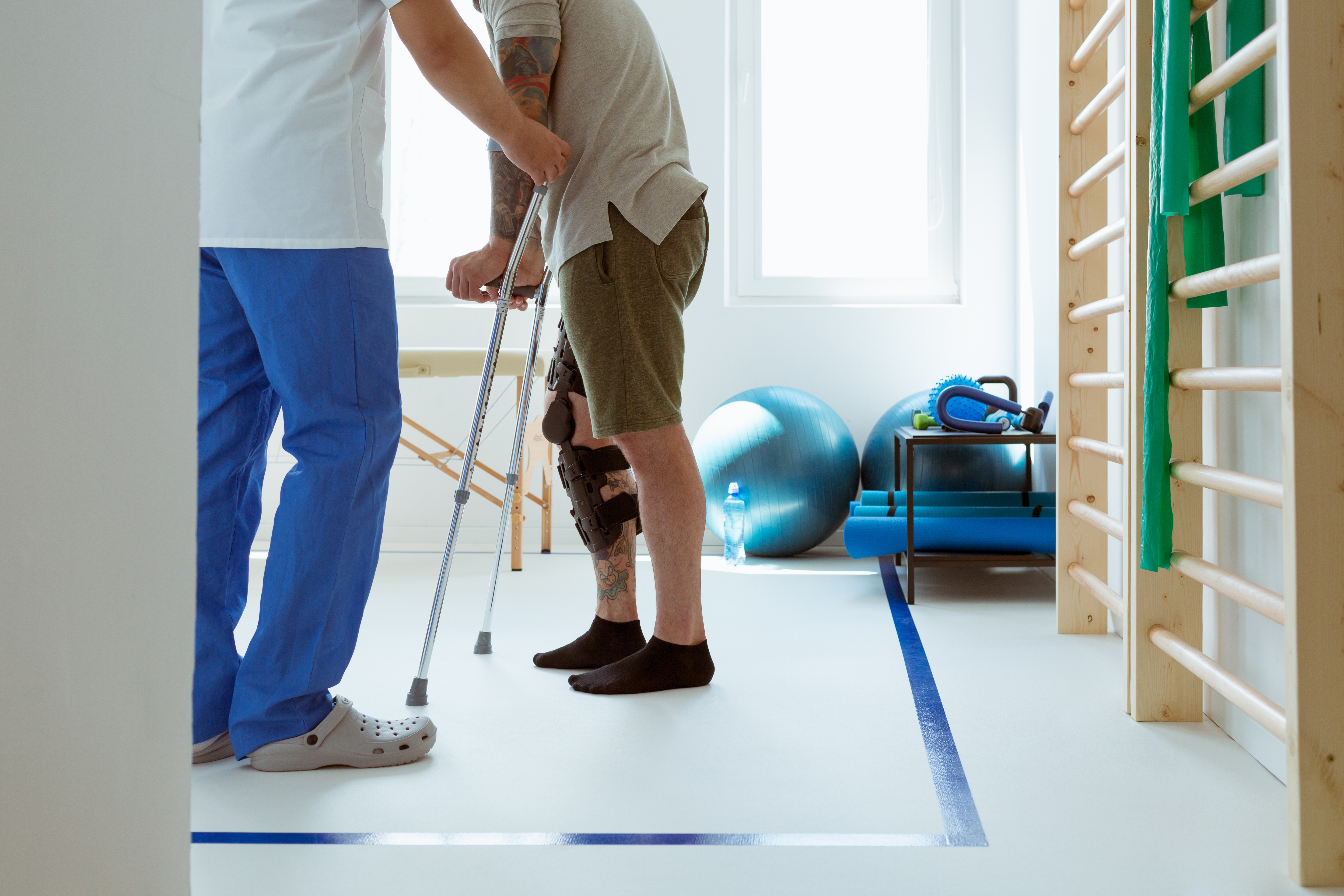
Post Operative Rehabilitation
Recovering after surgery requires careful, structured rehabilitation to ensure the best possible results.
At Fisiobee, we specialize in providing comprehensive post-operative rehabilitation tailored to your specific needs. Whether you're recovering from a fracture, joint replacement, or soft tissue surgery, our goal is to help you regain strength, flexibility, and functionality as quickly and safely as possible.
What is Post-Operative Rehabilitation?
Post-operative rehabilitation is the process of restoring function and mobility after a surgical procedure. It includes a variety of treatments and exercises that are carefully designed to promote healing, manage pain, and improve the overall outcome of the surgery.
Why Is Post-Operative Rehabilitation Important?
After surgery, muscles weaken, joints stiffen, and mobility is often restricted. A well-structured rehabilitation program helps to:
-
Restore movement and flexibility
-
Reduce pain and swelling
-
Prevent complications such as stiffness or re-injury
-
Improve strength and endurance
-
Speed up recovery and return to daily activities
Our Post-Operative Rehabilitation Services:
-
Physical Therapy -
Guided exercises designed to restore mobility, strength, and flexibility.
-
Pain Management -
Techniques such as massage, heat/cold therapy, and manual therapy to ease discomfort.
-
Stretching & Mobility Exercises -
Targeted exercises to improve flexibility and joint movement.
-
Strength Training -
Gradual muscle-strengthening exercises to rebuild strength and stability.
-
Functional Training -
Helping you regain the skills necessary for everyday tasks, like walking, bending, or lifting.
Phases of Post-Operative Rehabilitation
1. Acute Phase (0–2 Weeks Post-Surgery)
- Pain Management: Ice therapy, prescribed medications, and elevation.
- Wound Care: Keeping the surgical area clean and protected.
- Gentle Movements: Basic range-of-motion (ROM) exercises as recommended.
- Breathing Exercises: Important for chest and abdominal surgeries to prevent complications.
2. Early Recovery Phase (2–6 Weeks Post-Surgery)
- Physical Therapy: Supervised exercises to improve flexibility and mobility.
- Weight-Bearing Activities: Progression from assisted walking to full weight-bearing as allowed.
- Home Exercises: Simple, guided movements to enhance recovery.
- Swelling Control: Continued use of ice, compression, and elevation.
3. Strength & Mobility Phase (6–12 Weeks Post-Surgery)
- Advanced Strength Training: Resistance bands, body-weight exercises, and light weights.
- Functional Training: Everyday tasks like walking, bending, and stair climbing
- Low-Impact Cardio: Swimming, cycling, or walking to improve endurance.
4. Return to Full Function (3–6 Months & Beyond)
- Sport-Specific or Work-Specific Training: Personalized exercises for optimal performance.
- Injury Prevention Strategies: Posture correction, balance training, and ergonomic guidance.
- Psychological Readiness: Addressing fear of movement and rebuilding confidence.
Our goal is to help you recover quickly and safely, ensuring you return to an active, pain-free lifestyle. Contact Fisiobee today to schedule your post-operative rehabilitation session and take the first step toward a stronger recovery!